Mud Season, Sorted: The Wet-Weather Kit We'd Load on the Van for Winter 2026
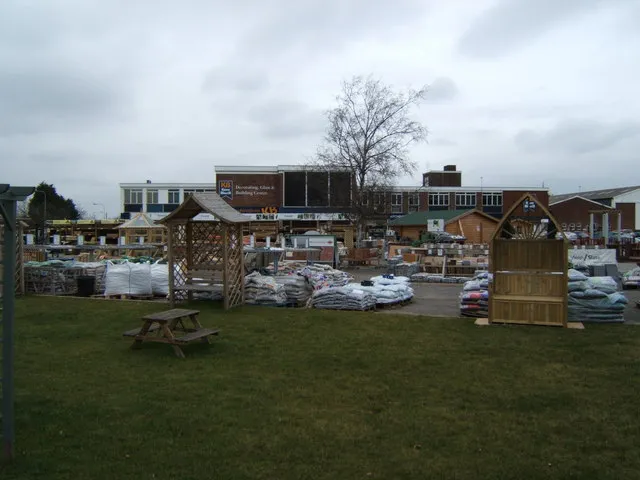
Photo: Hugh Venables, CC BY-SA 2.0, via Wikimedia Commons
By early November 2026, most UK sites have already had that familiar warning sign: a boot-sucking patch of mud where a tidy path used to be. The rain is back, the days are shorter, and every job seems to take an extra ten minutes. A wet site doesn't just slow you down. It changes what you need in the van.
At McPhail & Sons, we've seen plenty of winters come through the yard. The customers who keep moving are rarely the ones with the biggest tool collection. They're the ones who thought about access, timber protection and small jobs before the weather turned. So here's the kit we'd be loading up for winter 2026, along with the counter advice that saves a bit of grief.
Start with access, not just tools
Mud is the first problem, and it's usually the cheapest to solve if you deal with it early. Before you worry about the next fixings order, think about how you'll get materials from the van to the work area.
A roll of geotextile membrane, a few scaffold boards and a bag or two of grit can turn a boggy route into something workable. Heavy-duty polythene is useful too, but don't just lay it flat and hope for the best. It gets slippery, tears on rubble and fills with water if it's not weighted down. Use it as a barrier, not a magic carpet.
Wheelbarrows with a decent tyre, a couple of buckets and a stiff yard brush are boring items that earn their keep in wet weather. If you're on a domestic job, a temporary path made from boards or matting protects lawns and keeps customers on side. Nothing annoys a homeowner faster than a tradesperson who leaves a trench through the garden.
Keep timber and sheet materials dry
Timber is where wet weather gets expensive. Treated timber is tougher, but it still wants to be stored off the ground and given some airflow. Stack it on bearers, keep it covered and check it before you fix it. Wrapping wet timber tightly in plastic is a classic mistake. It traps moisture and gives you a nice little greenhouse for mould.
Sheet materials need even more care. Plywood, OSB, MDF and plasterboard all react badly to damp. Plasterboard especially: once it's taken on water, it's never quite the same. Keep sheets flat, supported and off the floor. If you're storing on site, raise them on timber spacers and cover them so rain runs off rather than pooling on top.
Our counter advice is simple: buy for the protection as well as the job. A few extra battens, a decent tarpaulin and some spacers cost far less than replacing swollen boards or reordering plasterboard halfway through a fit-out.
Rain-ready fixings and sealants
Wet weather exposes weak choices. Exterior-grade screws, galvanised nails and stainless fixings where they matter are worth the small extra cost. Sealants, expanding foam, waterproof adhesives and butyl tape should be in the van before you need them, not bought in a panic when a leak appears at 4pm.
Cold weather also changes how some products behave. Sealant can be harder to tool, foam can struggle to expand, and adhesives may need a drier surface than you'd like. Read the label, bring tubes inside overnight where possible, and don't assume a product will perform the same in a cold, damp corner as it does in a warm workshop.
Keep the small jobs moving
Winter isn't all big builds. It's leaky gutters, blown fence panels, loose flashing, small repairs and indoor jobs that keep the diary ticking over. Stock the bits that let you say yes to those jobs: gutter brackets and downpipe, replacement fixings, tarpaulin, rope, bungee cords, cable ties, dust sheets and floor protection.
Site lighting is another one people forget until it's dark at half four. Battery lights, extension leads and a reliable torch are not glamorous, but they keep small jobs moving when the natural light disappears. If you're working indoors, good dust sheets and a bit of floor protection save you a cleaning bill later.
PPE that works when it's wet
Waterproof gloves, rigger gloves, wellies, safety boots with proper grip and a decent waterproof jacket are basic kit, but they make a real difference. Hi-vis clothing needs to be visible in gloomy weather, not just at night. Kneepads and spare socks are the kind of things that sound trivial until you're kneeling in a wet doorway.
Buy PPE that actually works in the rain. Cheap waterproof gloves that split after an hour are a false economy. The same goes for boots with worn soles; a slip on a wet scaffold board can cost far more than a new pair of boots.
Order ahead at the counter
Our yard has seen enough Novembers to know that the last-minute order is usually the one that causes stress. If you know you'll need bulky materials, give us a bit of notice. Ask about stock levels, delivery slots and whether the branch can transfer something in. A quick phone call before you set off can save a wasted run.
Think about where the delivery will land, too. A kerbside drop is fine until you're carrying sheets through a muddy garden. Tell us what access is like and we'll do our best to help. And if you're storing cement or plaster over winter, keep it off a damp floor and away from draughts. A pallet and a dry corner are your friends.
The false economies to avoid
Every winter we see the same false economies. A cheap tarpaulin that shreds in the first gale. One tube of sealant when the job clearly needs two. Not enough membrane because it felt like an extra. Buying the cheapest screws for an exterior job and then watching them rust.
The fix isn't complicated. Buy the right quantity, buy the right grade and buy a little protection for the materials you're storing. That's not upselling. It's the difference between finishing the job and coming back to it.
If you're kitting out for the wet months, come in and talk it through. We'll help you put a sensible list together, check what's in stock and make sure you're not caught short when the rain sets in.