The Wagon Isn't the Deadline: Amending a Merchant Order Without Doubling Up
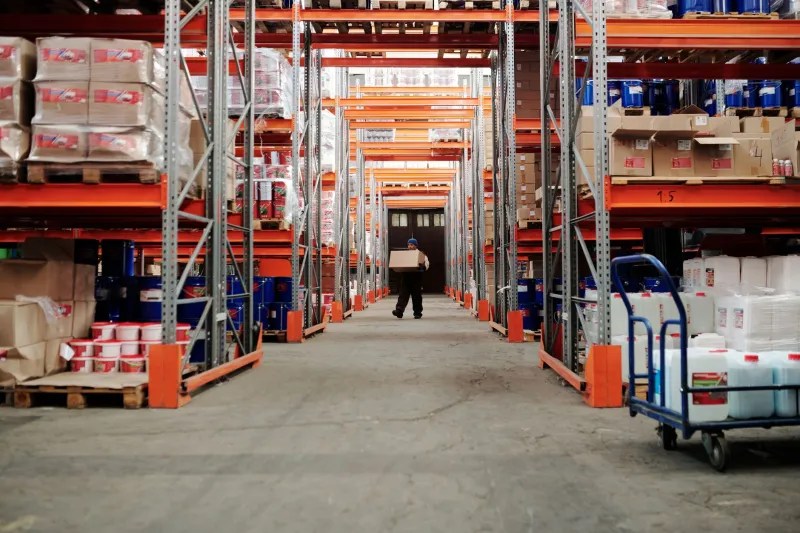
At the McPhail & Sons counter, we can usually tell when a site has changed its mind. The van pulls up, the buyer looks at a pallet of blocks, and then comes the question: 'Can we just swap these?' Sometimes yes. Sometimes no. The difference is almost never the product. It is the stage the order has reached.
An order is not set in stone the moment it is placed, but it is not weightless either. Between the counter and the kerb, stock gets picked, wrapped, labelled and loaded. The earlier you ring, the more room everyone has to put things right. The later you leave it, the more likely you are to pay for a wagon you did not need.
The yard clock is not the same as your clock
Your day might start at 7am on site. The yard's day started earlier, with pick lists and loading bays. Most branches have a cut-off for next-day delivery, often mid-afternoon, and a separate deadline for same-day drops. Those times are not there to be awkward. They are there because a wagon has a route, a load list and a driver who expects to leave with the right gear.
If you have ordered for tomorrow and realise today that the quantities are wrong, ring as soon as you can. If the order is for next week, you have more breathing space, but do not assume that means you can leave it until the morning of delivery. The yard may pick your order a day early to keep the run moving.
The key question is not 'when did I order?' It is 'what has the yard done with my order since?'
Three states of an order: unpicked, picked and on the wagon
Most amendments fall into one of three buckets.
Unpicked stock is the easy one. The order is in the system, but nobody has walked the yard with a pick list. Quantities can be changed, lines can be removed, and standard stock can often be swapped without much fuss. This is the best time to ring.
Picked stock is still workable, but it is no longer free to undo. Someone has fetched the pallet, counted the bags or cut the timber. If the item is a standard stock line and it can go back on the rack, a branch will usually help. There may be a restocking charge, or the delivery charge may change if the amended order falls below the minimum. That is not a penalty; it is the cost of putting stock back into the yard.
On the wagon is the awkward one. Once the load is secured and the driver has left, the order is effectively on site already. You can still refuse a line at the door, but you may be paying for the delivery either way. If the wagon is already loaded but still in the yard, ring immediately and ask if the line can be taken off before it leaves. Do not wait for the driver to arrive and then explain the change on the doorstep.
The phone call that stops a second wagon
The most expensive amendment mistake is not a wrong quantity. It is a duplicate order. Someone cannot see how to edit an online order, so they place a second one. The yard picks both. Two wagons arrive, and the buyer wonders why the merchant is charging for two deliveries.
Avoid that with one clear sentence: 'I need to amend order X, not place a new one.' Have the order number, account name, delivery date and the exact lines you want changed. If you have already placed a second order by mistake, say so straight away. A branch would much rather cancel the duplicate than send it out and sort out the credit note afterwards.
Ask for an amended confirmation by email or text. Check it before the wagon leaves. If the confirmation still shows the old quantity, ring back. A two-minute check is cheaper than a return trip.
Swapping products: same job, different line
Product swaps depend on what you are swapping and where it came from. If you ordered 100mm aerated blocks and the drawing now calls for 140mm, the swap may be simple if the blocks are standard yard stock and still unpicked. The price difference can be settled on the account or at the counter.
Special orders are different. If the merchant had to bring something in specifically for you, the supplier may not take it back. That applies to certain lintels, bespoke timber, coloured render, non-standard bricks and anything cut or made to order. Ask before you assume. A family-run merchant will usually tell you straight if a line is returnable, rather than let you find out when the credit note fails to appear.
Also think about batch and appearance. If you are swapping bricks or roof tiles, a different batch may not match the wall you have already built. Sometimes the right answer is not a swap but a small top-up from the same batch. That is a conversation worth having before the original pallet leaves the yard.
Cancelling one line without cancelling the lot
You do not usually need to cancel the whole order to remove one item. Partial cancellations are common. The branch can take off the sand, keep the cement, and send the rest as planned. The delivery charge may change if the remaining order drops below the minimum, so ask.
On a credit account, the adjustment normally appears as a credit note. On a card payment, a refund can take a few days to clear. Neither is a reason to panic, but both are reasons to get the paperwork right at the time. Write down who you spoke to and when. If the amendment is urgent, ask for the revised paperwork before the wagon is loaded.
A short checklist before you ring
Have your order number ready. Know the delivery date and whether it is an account or card sale. Be clear about what is changing: quantity, product or the whole delivery. Ask whether the stock has been picked. Ask whether any line is a special order. Get the amended confirmation in writing.
At McPhail & Sons, we have been loading wagons since 1952, and the same rule has survived every generation: the cheapest amendment is the early one. A quick call to the counter is almost always better than a second order, a refused pallet or a duplicate delivery charge. The wagon is not the deadline. The yard's pick list is.