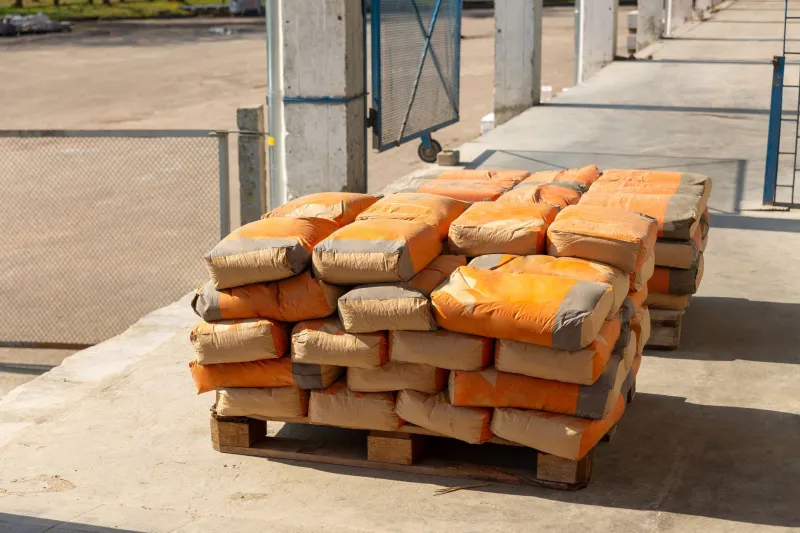
The Envelope in the Van Door: Keeping Merchant Paperwork That Actually Works
At the counter, we see the same scene play out in different ways. Someone comes in with a cracked render problem, a bag of cement that has gone hard in the shed, or a batch of bricks that has not weathered as expected. The first question is rarely about blame. It is about memory: what was bought, when it came, which batch it belonged to, and what the product data said at the time.
That is why the paperwork matters. At McPhail & Sons, we have been keeping records since 1952, and not out of sentiment. A merchant's ledger is a working memory. Your delivery note, invoice and batch label do the same job for your site. They turn a vague recollection into a proper conversation.
The paperwork you are actually handed
A merchant handover is usually a small bundle. The delivery note shows what landed and when. The invoice shows what was bought, on what terms, and under which account or receipt. The batch code, often printed on a bag, board end tag or pallet label, links the material to a production run. Product data sheets set out what the manufacturer expects: coverage, setting times, storage conditions, limitations.
None of it feels important on a dry Tuesday morning when the wagon is blocking the lane and everyone wants to get on. It becomes important when a material does not behave. A batch code is the thread that lets a merchant or supplier trace a problem back through the supply chain. Without it, everyone is guessing.
Photograph the bits that vanish
The practical habit is simple: photograph the packaging before it goes in the skip. Pallet labels, bag prints, board end tags, the delivery note with the signed date, and any product name or batch number are worth a few seconds. Put something in the frame for scale if it helps, though the label itself is the main thing.
A photo is not a substitute for the paper. It is a backup for the day the paper goes soft in a van door pocket or gets rained on in a site cabin. Phone photos carry a date, which is useful when you are trying to remember whether a delivery was before or after a cold snap. If the merchant emails a PDF invoice, save it to a folder named after the job. That small act of filing is the difference between a five-minute claim and a Friday afternoon spent reconstructing history.
Store it like you mean it
The glovebox is not a filing system. A large envelope or a slim folder per job works well enough. Write the job address and the delivery date on the front. Keep it with the site paperwork, or in a cloud folder if that is how you already work. For most jobs, keeping the merchant paperwork until final payment and a sensible period afterwards is enough. For structural materials or anything with a warranty, keep it longer.
This is not about hoarding every receipt for a box of screws. It is about knowing which documents answer the questions that come later. If a material fails, you want the delivery note, the invoice, the batch code and the product data in one place. That bundle lets the merchant approach the supplier properly rather than relying on a description down the phone.
When something fails, gather first
Material failures are rarely a shouting matter. They are usually a documentation matter. Before you ring the yard, gather the facts: photos of the failure, the batch code, the delivery note or invoice, the product data sheet if you have it, and a short note of when and how the material was used. Include storage conditions if they are relevant. Cement that sat in a damp shed is a different case from cement that went hard in a sealed bag.
If you have unused material from the same batch, quarantine it rather than using it elsewhere. Keep a sample if it is safe to do so. Do not bin all the packaging before you have spoken to the merchant. A calm, documented claim gets looked at faster than a loud one, partly because the person on the other side of the counter has something to work with.
The conversation at the counter
Bring the paperwork, not an accusation. A useful opening is: I have the delivery note and a photo of the batch code; can you check this batch for me? That gives the merchant a route into the supplier's system. If the material was bought on account, the invoice number helps. If it was a cash sale, the receipt does the same job. If a subcontractor bought the material, get their paperwork before the trail goes cold.
Sometimes the answer is a defective batch. Sometimes it is a storage problem, a wrong product for the job, or a misunderstanding about coverage. The point of the paperwork is not to prove you are right. It is to get to the right answer without turning a practical problem into a personal one.
A small habit that pays
At handover, put the paperwork in an envelope, photograph the labels, and write the job name on the front. It takes two minutes. Months later, when something has failed and the job is finished, you will not be reconstructing the past from memory. You will be having a straightforward conversation with the information in front of you.
Keep the ticket. Not because merchants like forms, but because the job deserves a memory.